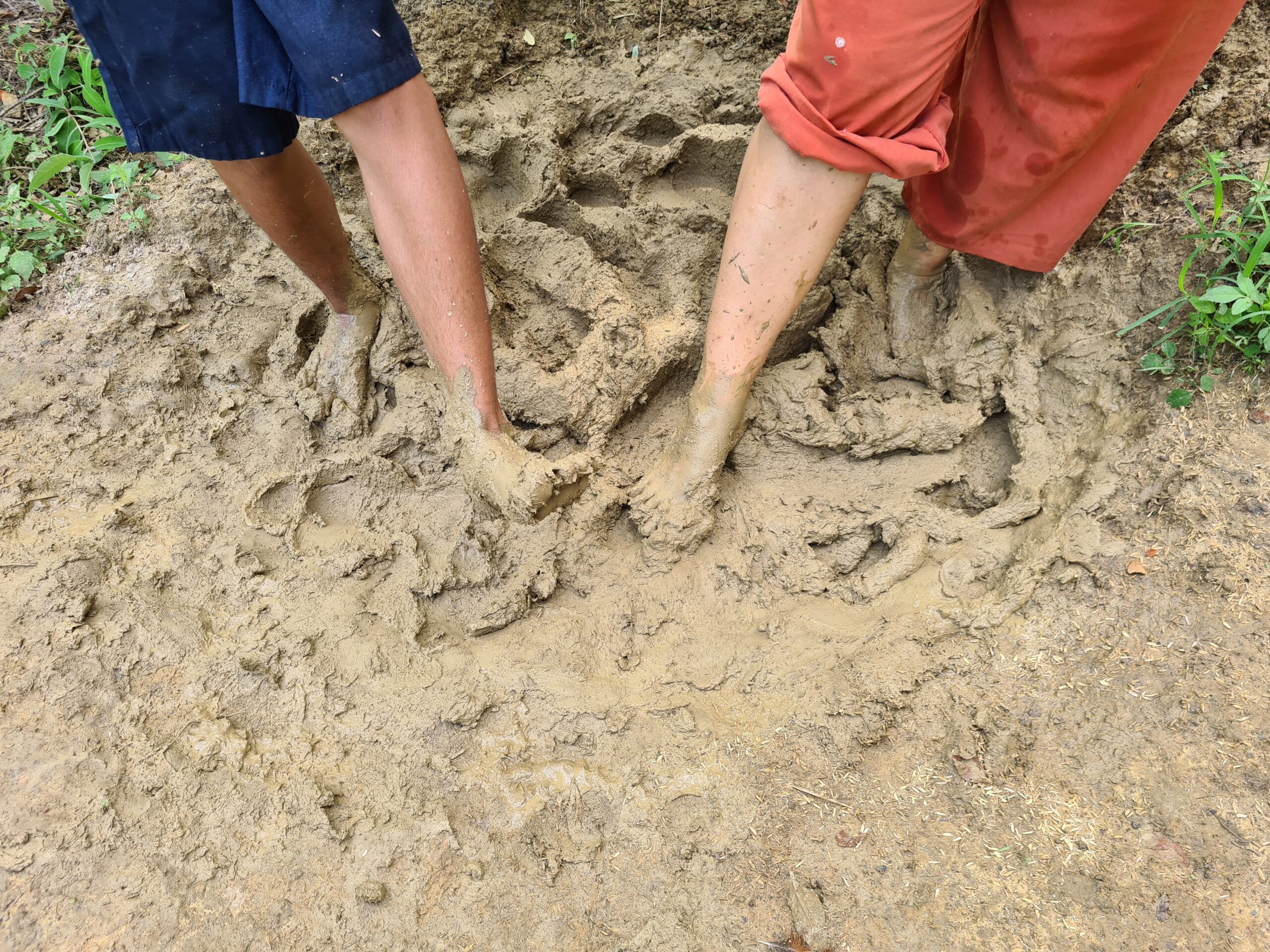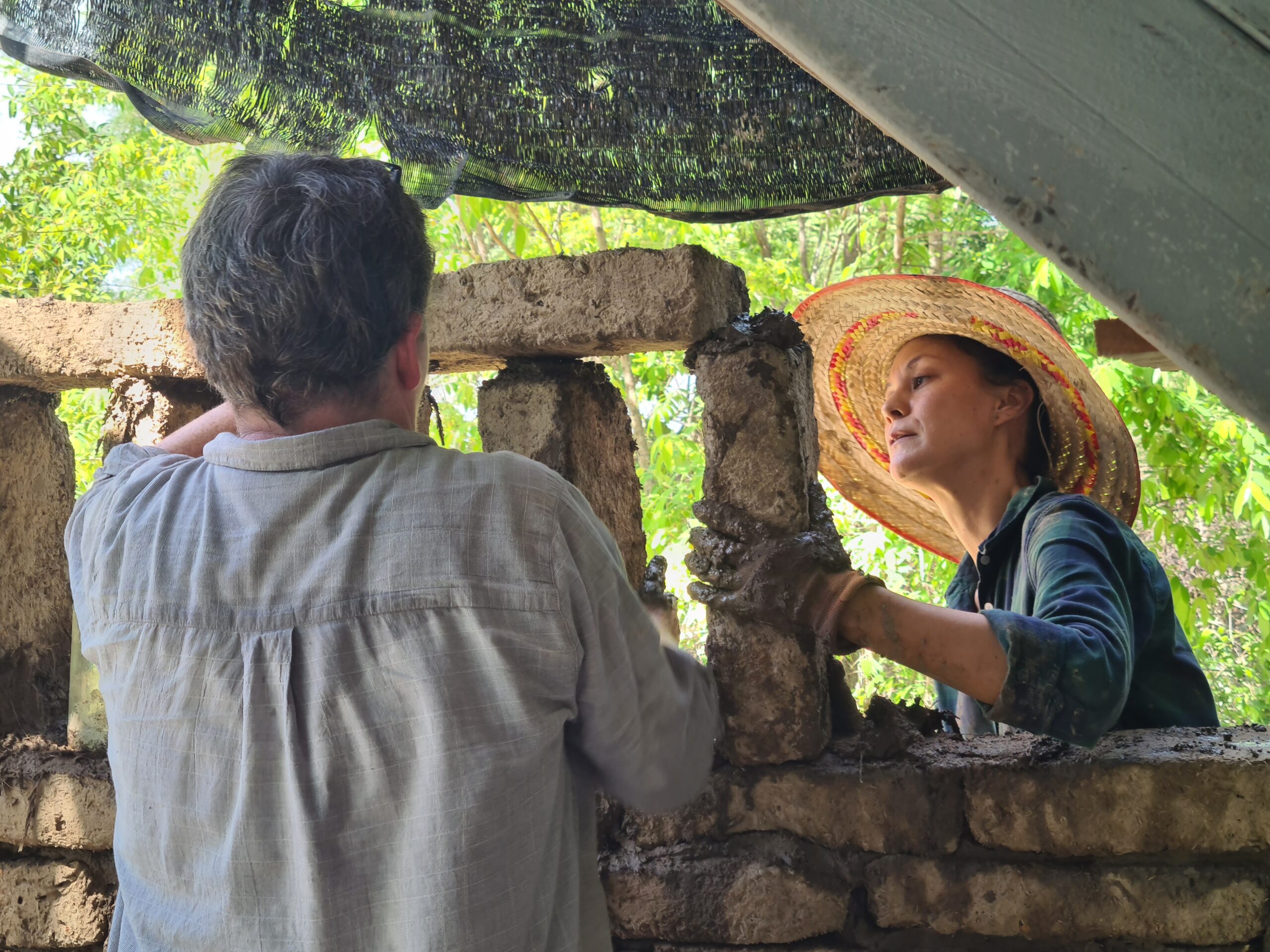
Most mud building is beautifully simple. That’s exactly why it’s found all over the world: you dig the earth beneath your feet, add water and straw, and build. Even today, somewhere between 650 and 700 million people live in earthen homes.
People have been building this way for a very long time. Some of the earliest known homes, in Jericho in Palestine, were made of mud bricks around 11,000 years ago. And earth can rise higher than you might imagine: in Shibam, Yemen, often called the “Manhattan of the desert”, hundreds of mud-brick tower houses stand up to 11 storeys tall, built in the 16th century and still lived in today.
But simple isn’t the same as easy. The techniques take minutes to explain and years to master, because this isn’t knowledge that lives in your head. You learn it through your hands and feet. Every soil is different, and every batch you mix has its own texture. Each one needs just the right balance to hold together and dry without cracking, and the only way to find that balance is to feel it, again and again.
In a previous life I ran a small cake bakery here, and mud building often reminds me of baking. You try a new ingredient, swap one thing for another, test it and adjust a little each time until you understand what it does. The ingredients in mud seem far simpler, and you wait a good deal longer to see the results. That, for me, is part of the beauty of this craft.
Over the last decade I’ve learned this way, by getting my hands in, making mistakes and slowly understanding why a natural house wants to be built the way it is: why the walls go where they do, how it breathes, how it sheds water and stays cool. Once you start to see a building like that, it stops being a list of techniques and becomes a conversation with the land, the weather and the people who will live in it.
So in January we won’t just be building. We’ll be feeling our way through each mix together and talking through why each choice gets made. My hope is that you leave not only knowing how, but with a feel for the whole path, should you ever choose to walk it yourself.
Where this goes after the workshop, I honestly don’t know yet. I stopped making long term plans years ago. Maybe it will be more workshops. Maybe conversations that carry on once the mud has dried. I’m holding it loosely and following what wants to happen.
If any of this stirs something in you, the workshop page has everything you need.